Love, Life & Legacy
Whether you’re celebrating love through weddings or vow renewals, welcoming new life with naming days, or honouring the memory of a loved one in a heartfelt farewell, my mission is to create a ceremony that resonates with your heart and soul.
As an experienced celebrant, I believe in the power of words and ritual to mark life’s passages in a deeply meaningful way. Every ceremony I design is handcrafted and infused with your personal story, ensuring that your special day becomes a cherished memory for years to come.
Explore our blog for inspiration, from ideas for personalising your ceremony to insights on creating rituals that honour love, loss, and everything in between, you’ll find tips and guidance to make your moment truly unforgettable.
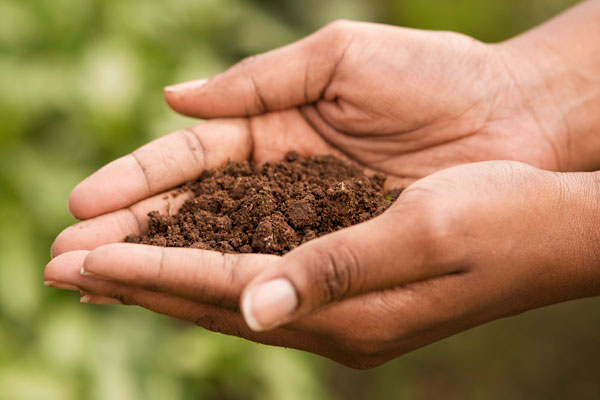
The Tradition of Placing Soil on a Coffin
What it means, why it matters, and how we can honour it in cremations
For many people, the moment when earth is placed onto a coffin is one of the most emotionally charged parts of a funeral. It can feel stark, confronting, even unsettling. And yet, for centuries, this simple act has carried deep symbolism, meaning, and comfort for those who understand it.
So why do we do it? And what happens when burial isn’t part of the goodbye?
Returning to the earth
The tradition of throwing soil onto a coffin has its roots in ancient burial practices across cultures and religions. At its heart is a simple truth: we come from the earth, and we return to it.
In Christian traditions, the phrase “earth to earth, ashes to ashes, dust to dust” is often spoken as the soil is placed onto the coffin. But this symbolism reaches far beyond Christianity. Many pagan, Indigenous, and ancestral practices see the act as a physical acknowledgement of the natural cycle of life, death, and renewal.
It is not about finality alone. It is about belonging - the deceased being gently returned to the world that once sustained them.
A moment of participation
In modern funerals, much of the service can feel passive. We sit, we listen, we watch. The act of placing earth onto the coffin is different.
It invites mourners to do something.
This small physical action gives grief a place to land. It allows people to say goodbye in their own way - whether that is with a silent prayer, a whispered message, or simply the grounding sensation of soil passing through their fingers.
For many families, this is the moment when the death becomes real. Painful, yes - but also strangely anchoring. It marks the transition from presence to memory.
Why it can feel so hard
Not everyone finds this ritual comforting. For some, it feels too raw, too final, or too close to the reality of death. That discomfort is completely valid.
In a culture that often distances itself from death, touching the earth that will cover a loved one can feel confronting. But for others, that very confrontation is what makes it meaningful. There is no “right” response - only what feels right for you and your family.
And importantly, no one should ever feel obliged to take part.
When burial isn’t the choice
With cremation now the most common choice in the UK, many families wonder how to recreate this moment of participation and symbolism without a graveside burial.
The meaning can remain, even if the form changes. Here are some gentle alternatives that families often find comforting:
Placing earth or sand onto the coffin
Even at a crematorium, families can choose to place a small handful of earth, sand, petals, or leaves onto the coffin before it is taken for cremation. The symbolism of return and connection remains, without the burial itself.
Lighting a candle
Fire, like earth, is a powerful element of transformation. Inviting mourners to light a candle in memory of the person can offer a similar sense of participation and intention.
Petals, herbs, or flowers
Roses, lavender, rosemary, or seasonal flowers can be placed onto or alongside the coffin. These often carry personal or symbolic meaning - love, remembrance, peace, or continuity.
Writing messages or wishes
Some families provide small cards or dissolvable paper for messages, blessings, or final words to be placed with the coffin. This can be especially meaningful for those who struggle to speak aloud.
A shared ritual
This could be a moment of collective silence, a poem read together, a bell rung once for each decade of life, or even a shared breath. Ritual doesn’t need to be ancient to be meaningful - it just needs to be intentional.
Choosing what feels right
Funeral traditions exist to serve the living, not the other way around. Whether you choose to throw earth, place petals, light a candle, or simply sit quietly, the meaning comes from the love behind the action.
As celebrants, families, and communities, we are slowly remembering that funerals don’t have to follow a rigid script. They can be shaped - thoughtfully and tenderly - around the people involved.
Sometimes, the most powerful goodbye is the simplest one.

At Celestial Blessings, I'm here for you through life’s most joyous moments and its hardest challenges.
Whether celebrating love, new beginnings, or saying farewell, I work closely with you to create a heartfelt, personalised ceremony that reflects your unique story and honours your wishes.
Every detail is crafted with care,
ensuring the experience is meaningful
and deeply felt.
About Celestial Blessings
An independent celebrant delivering beautifully handcrafted ceremonies that honour life’s most significant moments. Whether you’re celebrating a wedding, a new beginning, or paying tribute to a loved one, each ceremony is designed for you.
Call now
07980 497026
Memberships

Connect


© Copyright 2024 All Rights Reserved.